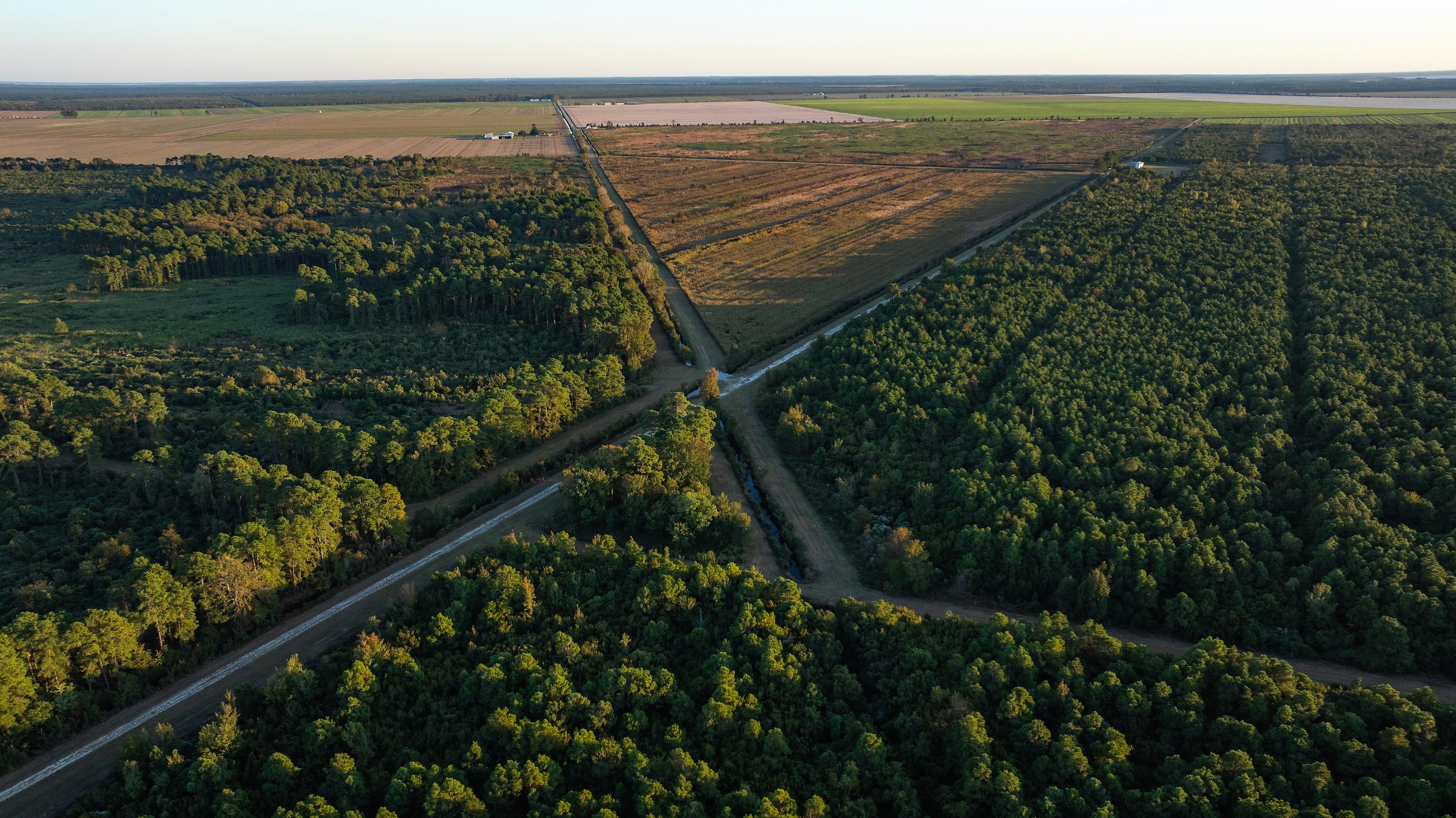
Pocosin Ecological Reserve I
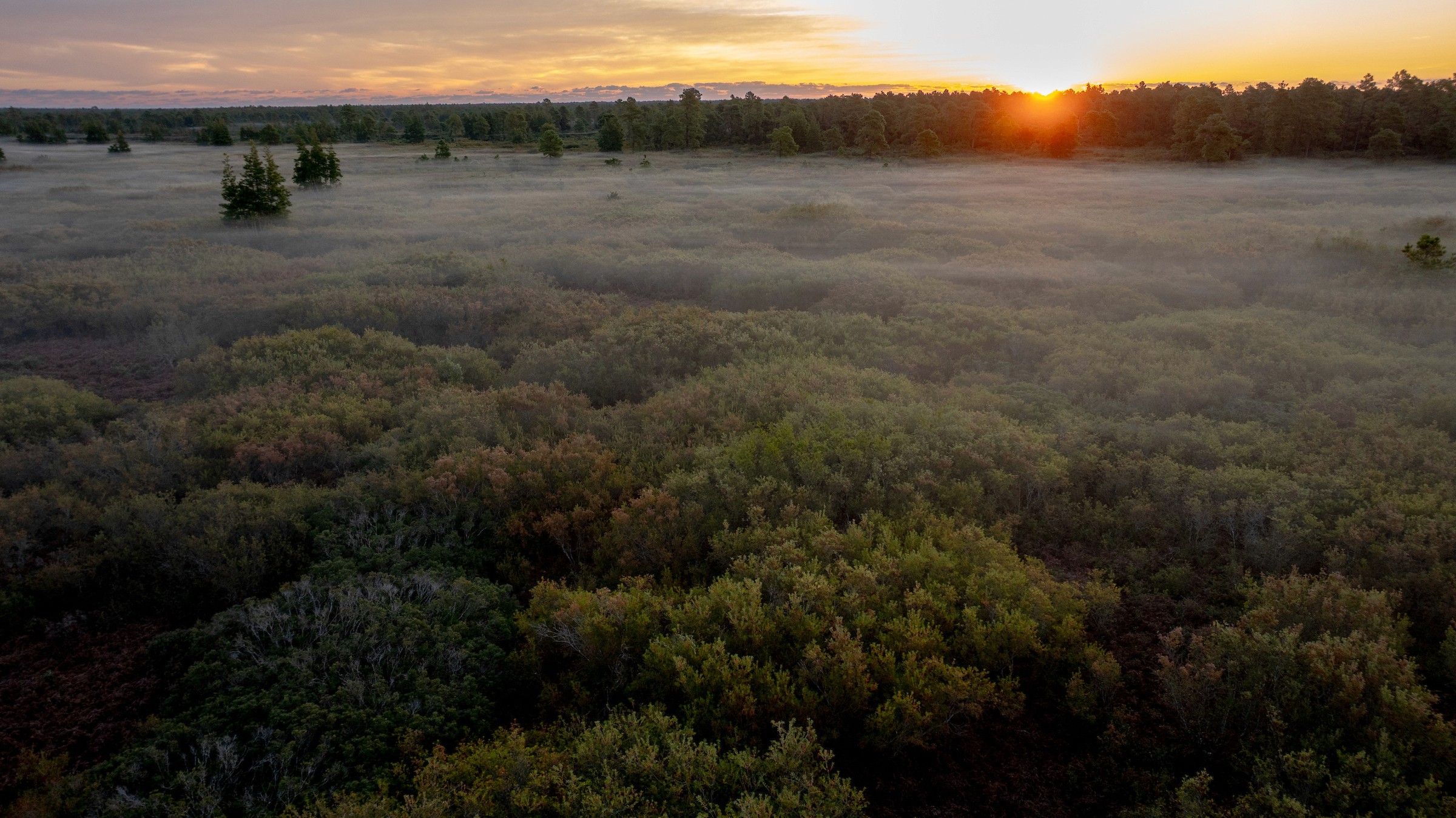
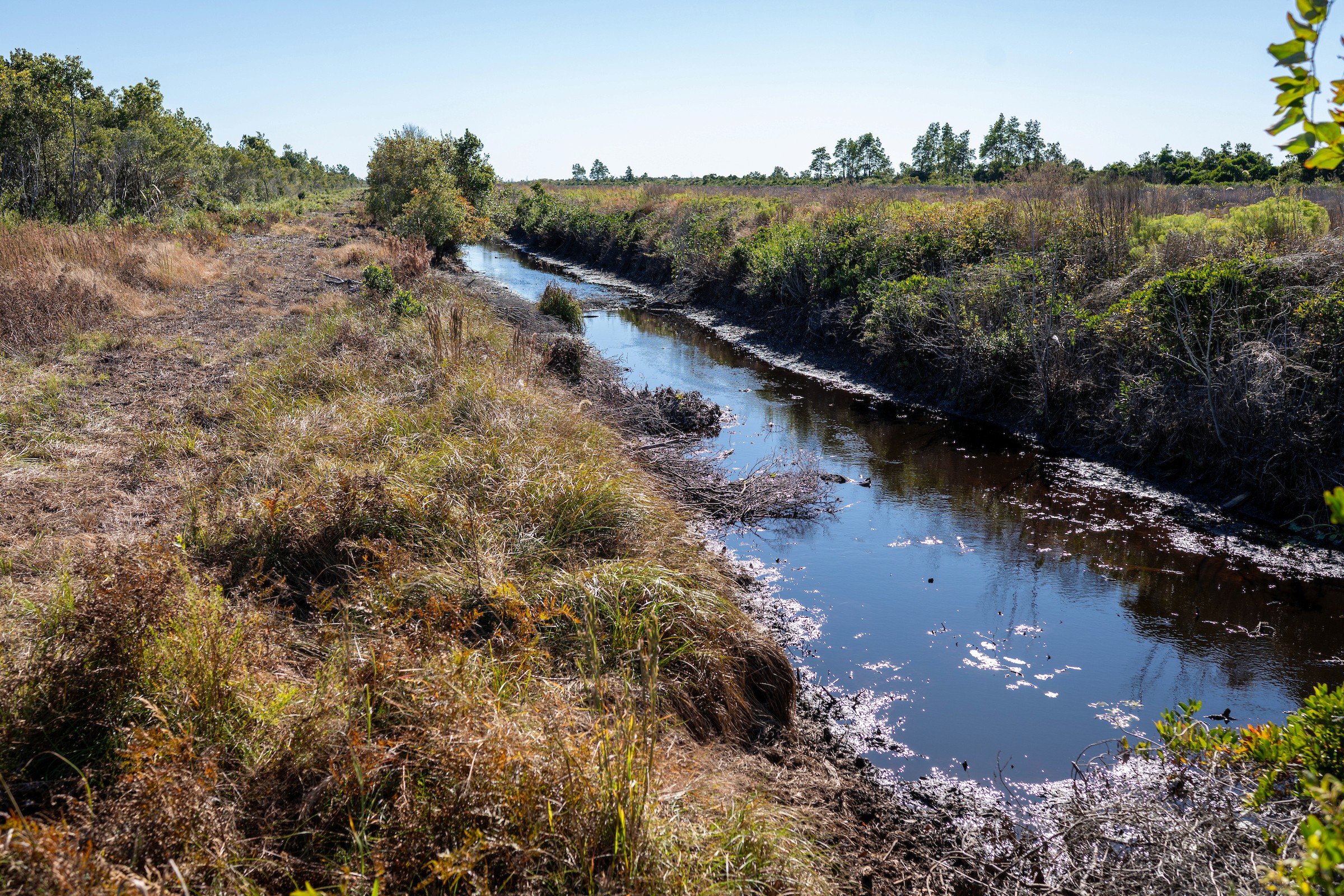
PER I sits on the Scuppernong High, home to the deepest peat deposits on the Southeast Coast. Historically drained for farming and forestry, the land shifted from a wet, functional ecosystem into a degraded one —releasing carbon and facing recurring fire risk.
Spanning 14,500 acres in the Southeastern U.S. and bordered on three sides by a federal wildlife refuge, PER I is uniquely positioned for large-scale restoration. Its geography, history, and surroundings make it the ideal site to demonstrate how restoring peatlands can deliver outsized climate and ecological impacts.
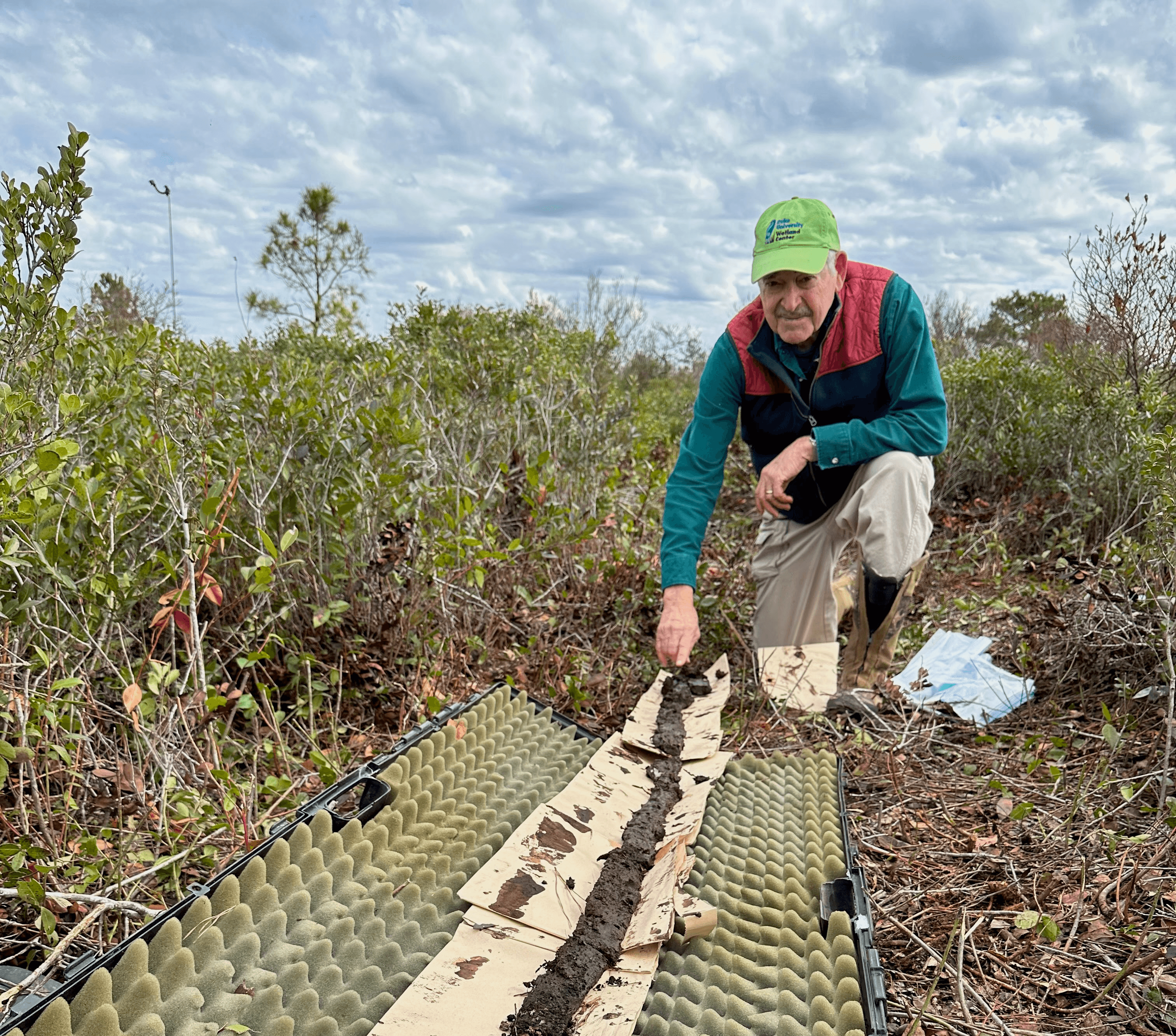
1978
Dr. Richardson begins studying pocosin peatlands
In 1978, Dr. Curtis Richardson joins the Duke University faculty and, just two years later, convenes the first-ever conference on pocosin peatlands. Over the following decades, he advances pioneering research on their carbon cycles, biodiversity, and resilience — well before their global significance was widely understood.
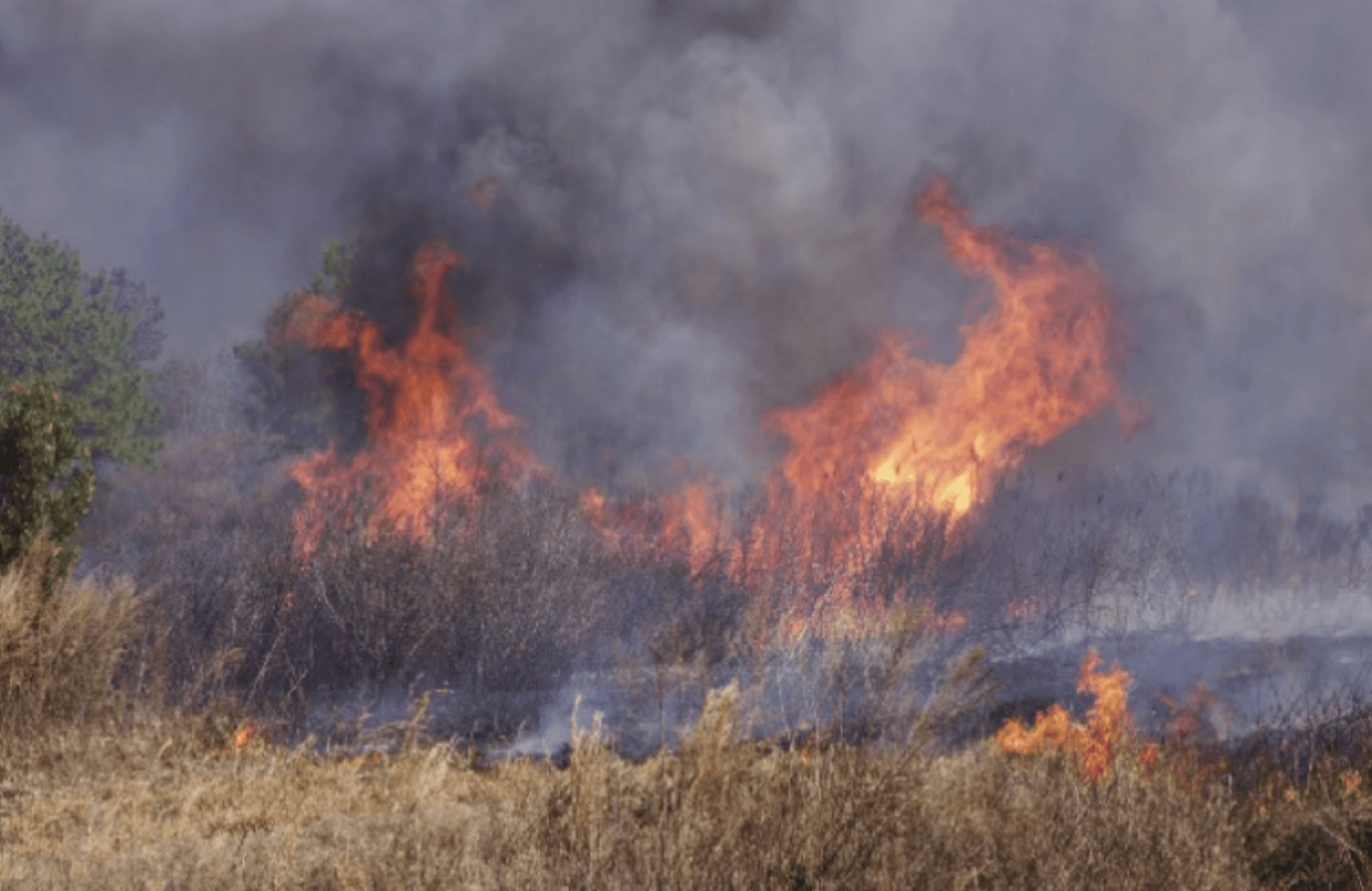
Evans Road Fire
A massive wildfire burned 41,000 acres, releasing nearly 32 million metric tons CO2e — equal to 2.5 million cars driving 12,000 miles for a year. The fire underscored the urgent need to restore drained peatlands. Notably, restored areas resisted deep peat loss, proving rewetting was the key to long-term carbon removal and fire prevention.
2008
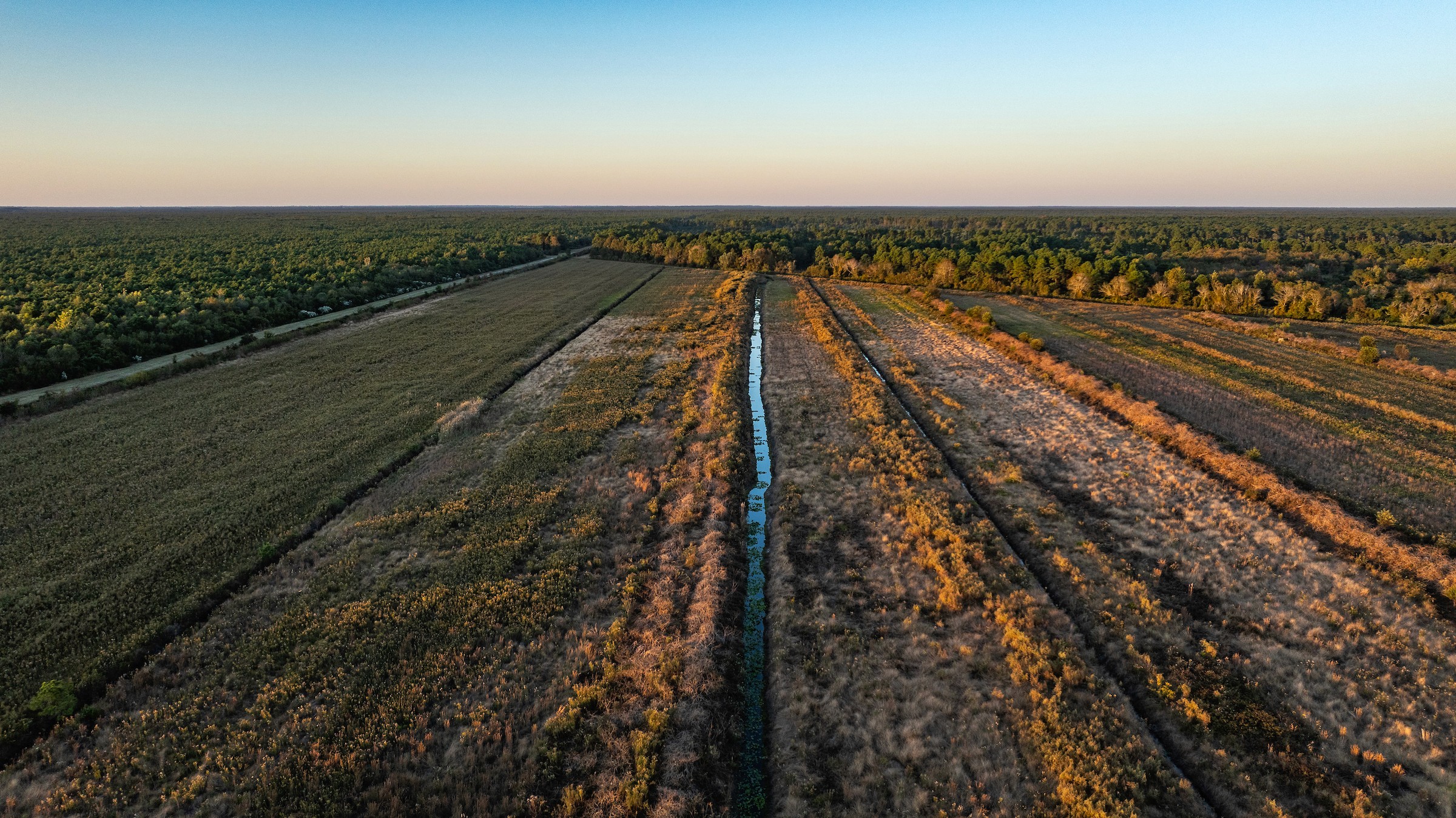
2010s
Research Breakthroughs
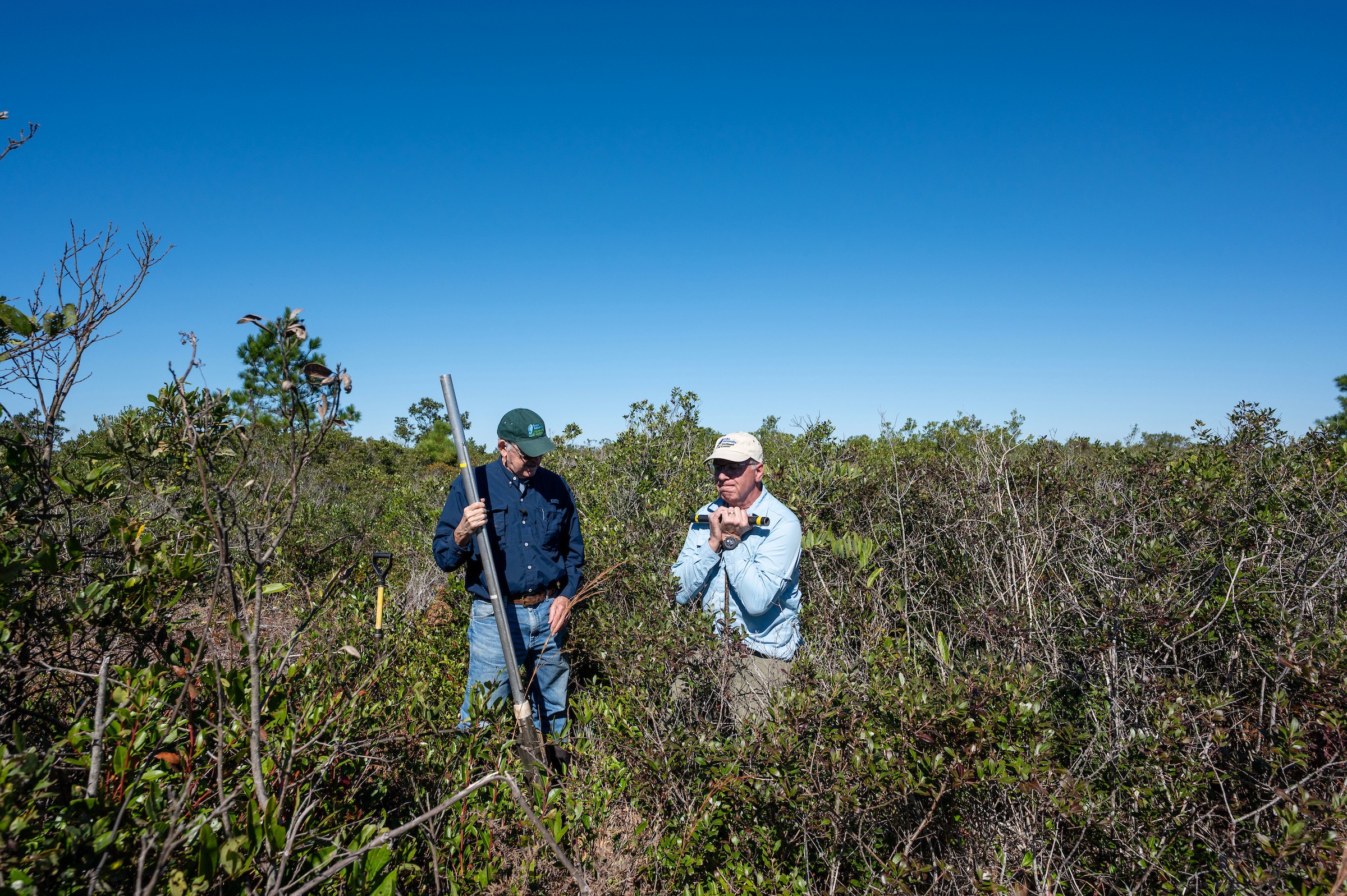
In the aftermath of the Evans Road Fire, Dr. Richardson and his team secure new support from the US Fish and Wildlife Service, followed by a Department of Energy grant, to advance decades of research on carbon removal, methane emissions, and rewetting strategies at Pocosin Lakes National Wildlife Refuge and beyond. These efforts reveal that pocosins — once considered marginal — could store carbon at scale with minimal methane and N2O release. This laid the scientific groundwork for projects like PER I.
Pantheon partners with Duke Wetland and Coasts Center
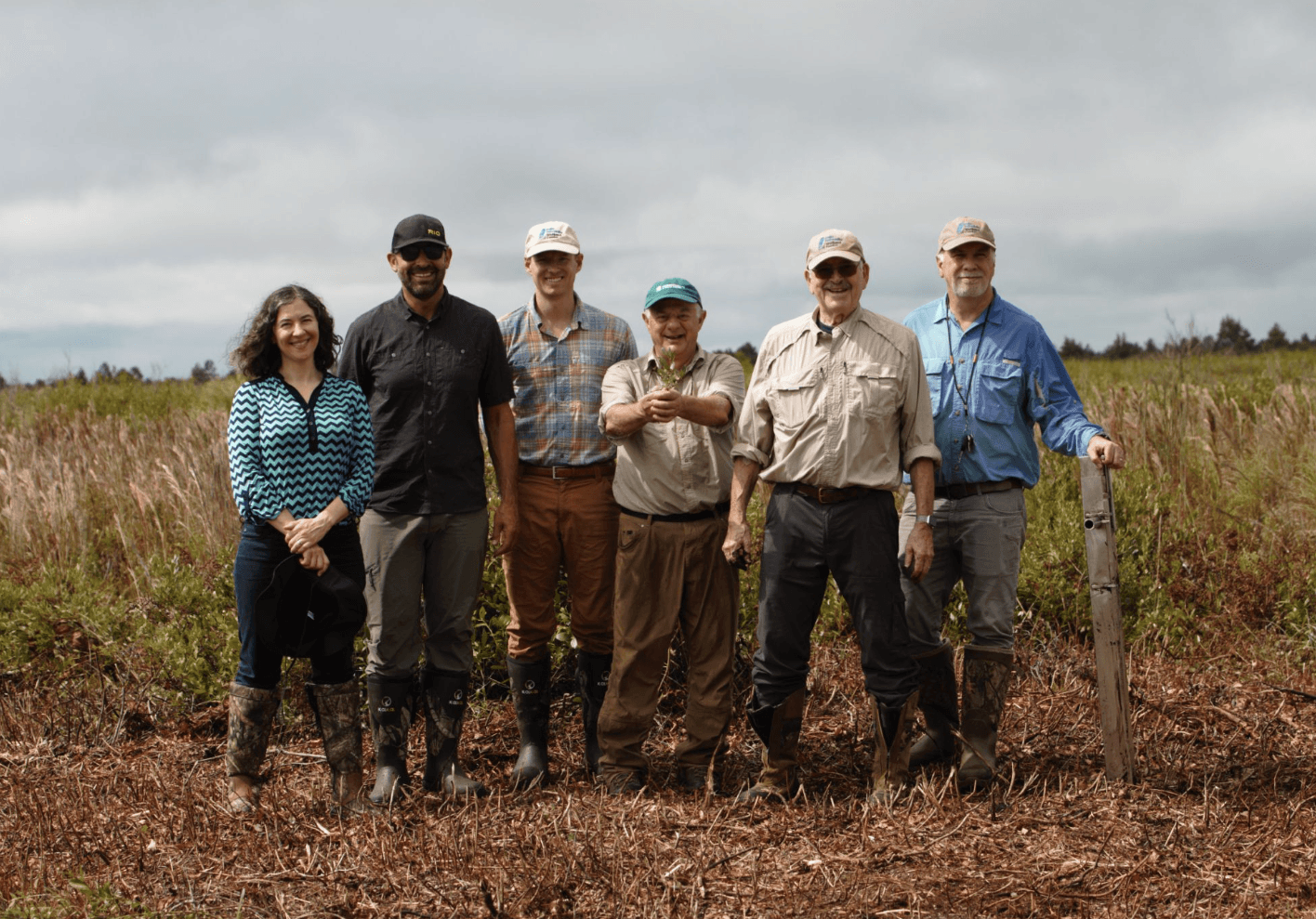
Pantheon partners with Dr. Richardson and Duke to align cutting-edge science with investment. Together, we are aiming to sequester millions of tons of of CO₂ each year while boosting biodiversity and reducing fire risk.
2023
2025
Impact & MRV
Through rigorous monitoring, Dr. Richardson, the Duke Wetland and Coasts Center, and Pantheon will quantify carbon outcomes and ecological benefits, demonstrating that peatland restoration can deliver measurable, durable climate solutions. As Dr. Richardson puts it, “This is the capstone of my career — turning decades of restoration research into practice.”





Pantheon is committed to being a responsible steward of the land and member of the community.